Sixth Form study
Welcome to UTC Reading’s Sixth Form
Our Sixth Form is different to the standard post-16 experience.
We prepare our students for the world of work through an exciting employer-led curriculum designed to give students sought-after qualifications in Computer Science and Engineering. A high percentage of our leavers go straight into in-demand apprenticeships.
Working directly with industry experts and experienced tutors, our varied STEM-focused curriculum is delivered both in school and online, and allows students to combine A Levels with BTECs in a small learning environment where they are really known.
But that’s not all. Unique to UTC Reading’s Sixth Form is:
SPECIALISED AND VARIED CURRICULUM
A choice of A Levels and BTECs in a wide variety of subjects including 3D design and architecture, which is unique in Reading
WORLD-CLASS EMPLOYER CONNECTIONS
We partner with some of the biggest companies in IT and Engineering to offer face-to-face learning, project days and mentoring
GOLD STANDARD CAREERS SUPPORT
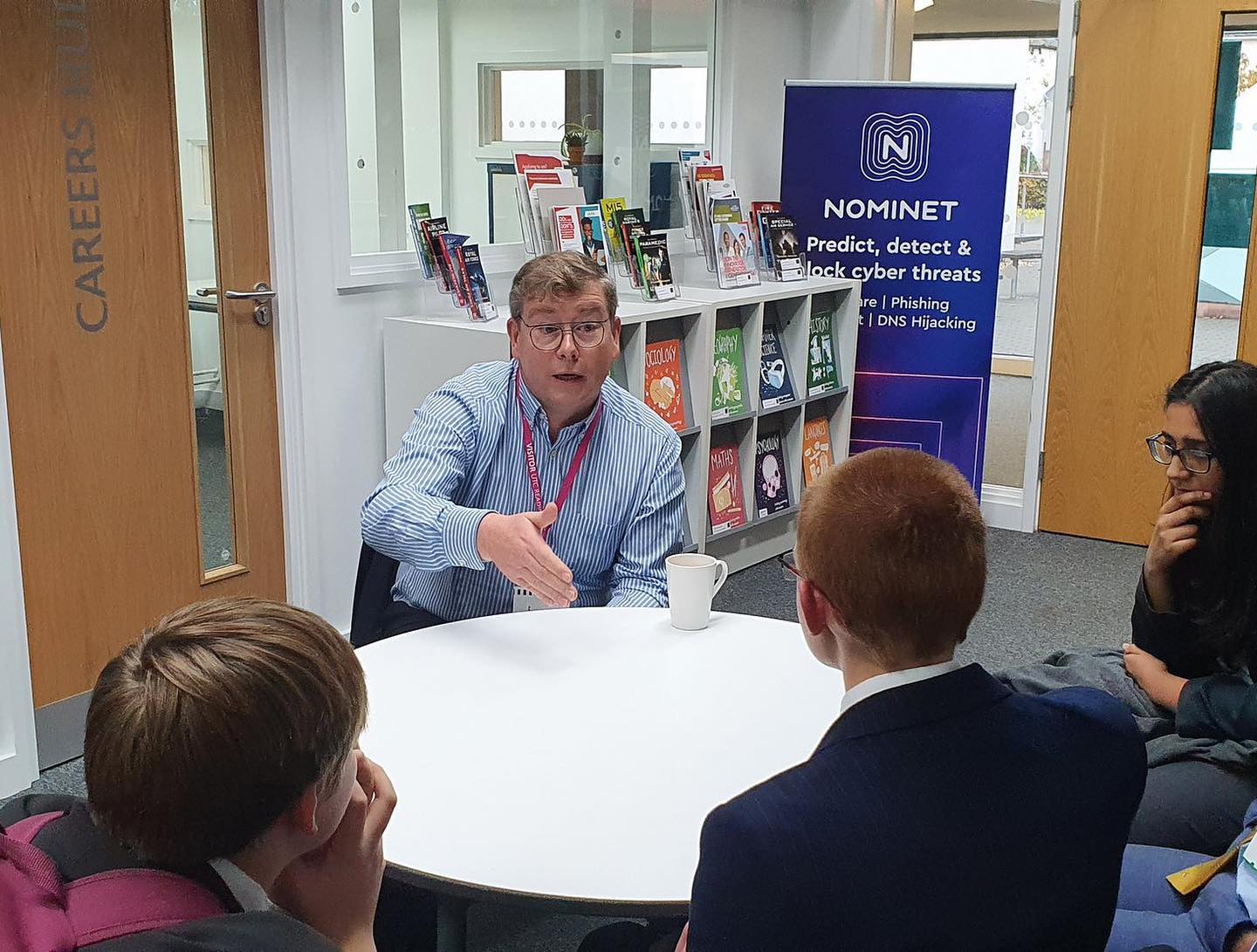
We recently achieved the sought-after Gold Careers Mark for our excellent careers guidance, heavily supported by our employer partners
What can you actually study here?
Our Sixth form curriculum, like the Year 10 and Year 11 curriculum, is very focused on our specialisms of engineering, computer science and the other STEM subjects. In our Sixth Form, you pick one of three routes of study; the technical route, the A Level route or a hybrid route.
- In the technical route, you will pick between the Level 3 BTEC Extended Diploma in Engineering or the Level 3 BTEC Extended Diploma in Computing. Both of these are equivalent to 3 A Levels.
- In the A level route you can choose 3 A Levels from the available subjects we offer as shown below.
- In the hybrid route you can chose 2 A Levels alongside either a Level 3 Extended Certificate in Engineering or a Level 3 Extended Certificate in Computing.


ROUTE

ROUTE

ROUTE

ADDITIONAL
SUBJECTS

Level 3 BTEC Extended Diploma in Engineering
OR
Level 3 BTEC Extended Diploma in Computing
* Both of these qualifications are equivalent of 3 A Levels
Choose one technical qualification
Level 3 BTEC Extended Certificate in Engineering, or Computing or Applied Science
In addition to two A Levels from below:
- Mathematics
- Further Mathematics
- Physics
- Chemistry
- Biology
- Computer Science
- Psychology
- Business Studies
- 3D Design with Architecture
- English Language and Literature
- Extended Project Qualification (EPQ)
Choose three A Levels from the list below:
Mathematics
Further Mathematics
Physics
Chemistry
Biology
Computer Science
Psychology
Business Studies
3D Design with Architecture
English Language and Literature
Extended Project Qualification (EPQ)
Whichever route you take, you will have 15 hours of classroom time per week. In addition you will also have sessions for the Careers and Futures programme and further sessions on PSHE.
You will also have access to the training and development options that take place on Thursday afternoons.
For Year 12 and 13 students the timetable runs as follows:
- Monday – Wednesday 09:00 – 16:00
- Thursday – 09:00-15:00 (Training and Development runs from 15:00-17:00)
- Friday – 09:00-15:00
As a Sixth Form student, you will have approximately 17 hours of contact time scheduled over the week. Outside of this you are expected to work independently either in the UTC in our wonderful independent workspaces or you can work outside of the UTC if you wish. This is an important step in preparing you for the world of work in how to manage your time and working independently.
THE TECHNICAL ROUTE
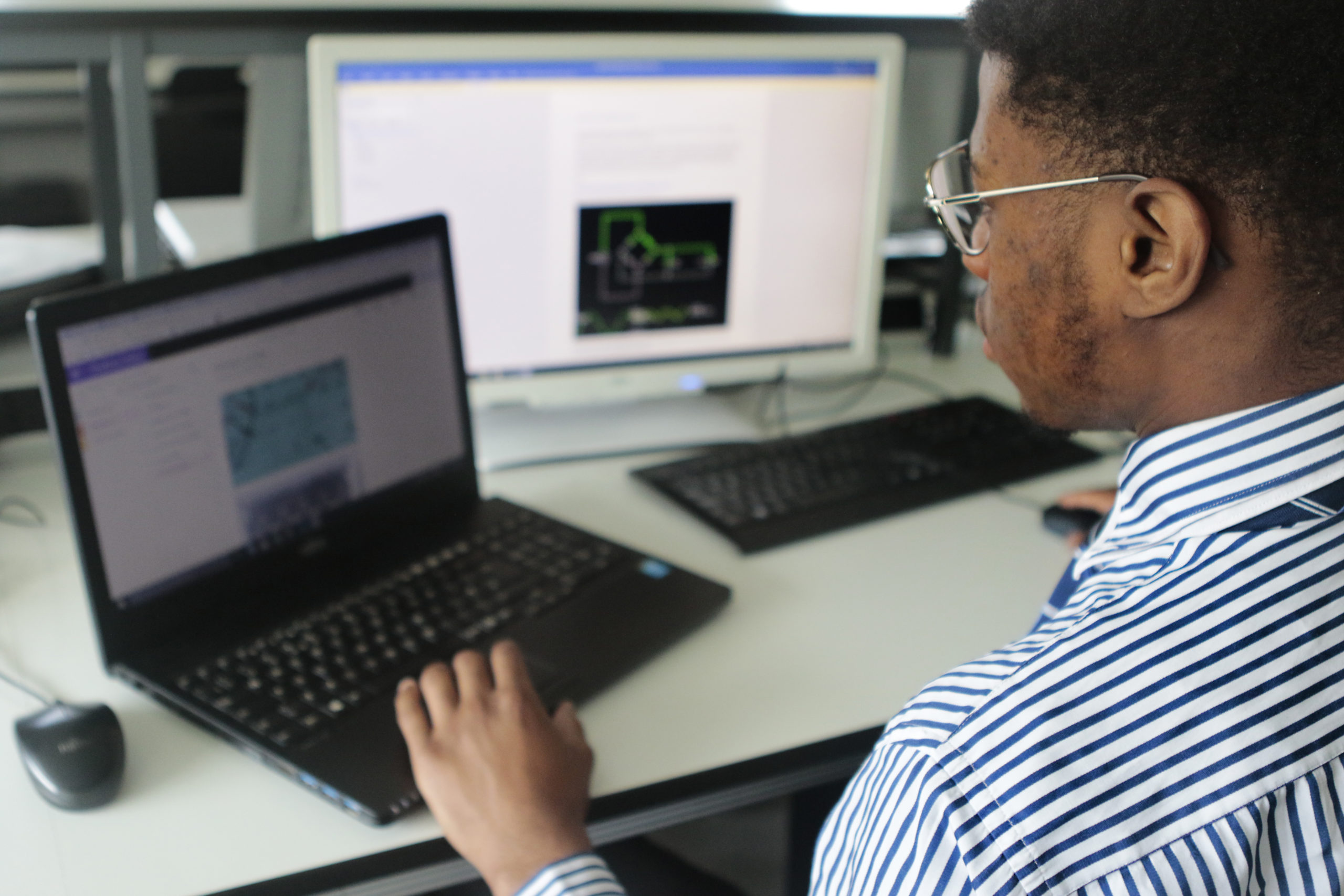
If you choose the technical route, you will choose one of the courses below as your main programme of study.

THE HYBRID ROUTE
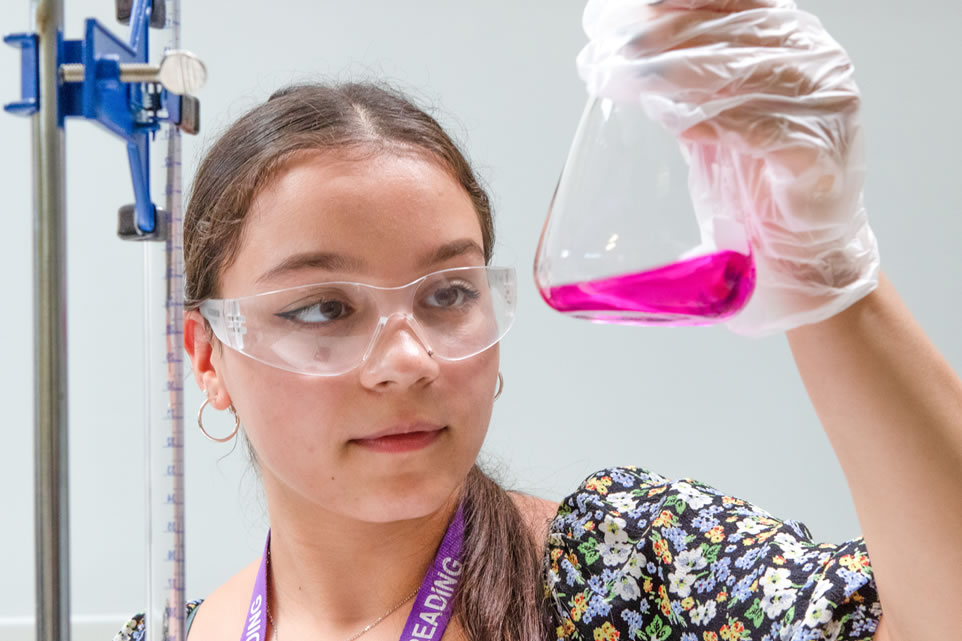
If you chose the hybrid route, you would choose one of the technical qualifications below (worth the equivalent of one A Level) and then you will choose two A Levels from the section below.


THE A LEVEL ROUTE
If you chose the A Level route you would choose 3 of the subjects from below to make up your programme of study.
If you have chosen the hybrid route you will choose two of these subjects




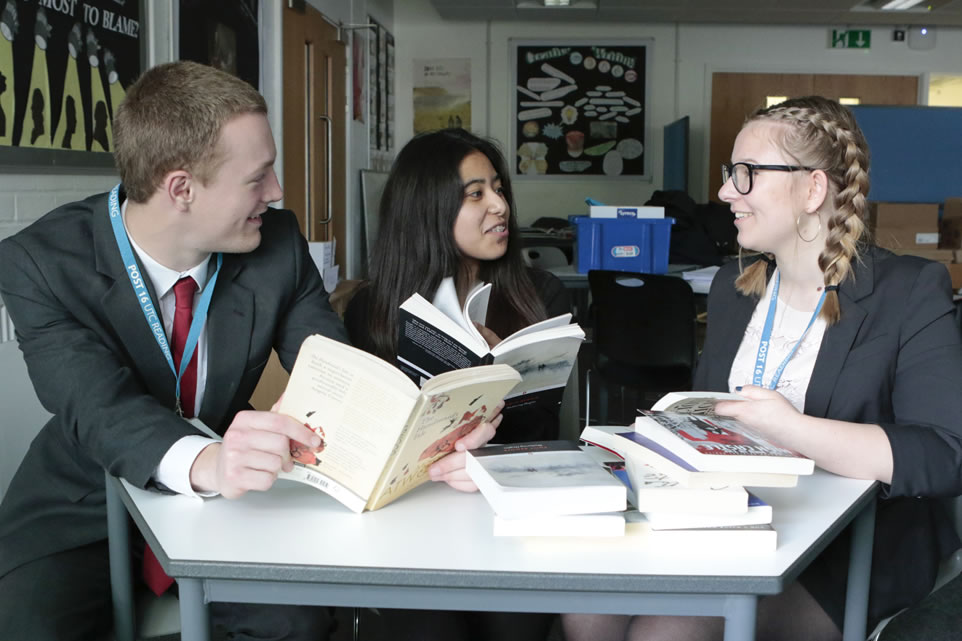
ADDITIONAL

CAREERS AND FUTURES
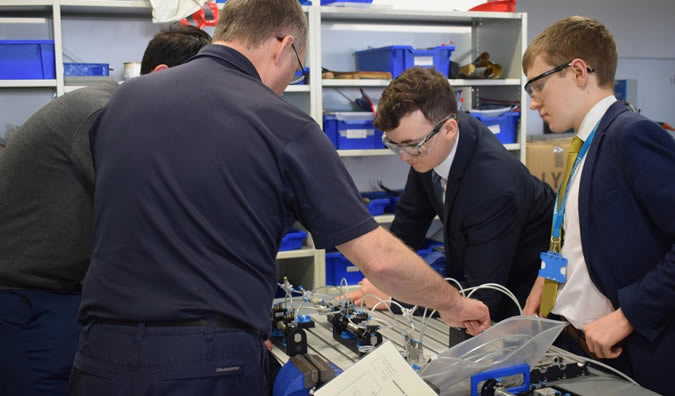
TRAINING AND DEVELOPMENT
APPLY FOR
Year 10
APPLY FOR
Year 12

Our Partners